Irish Soda Bread | Easy St Patrick’s Day Bread Recipe

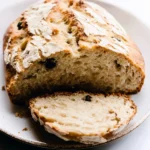
Grandma’s Irish soda bread is a staple of comfort baking, embodying the essence of home with every bite. This easy-to-make bread, characterized by its crusty exterior and soft, fluffy interior, is perfect for any occasion, especially St. Patrick’s Day! With just a handful of wholesome ingredients, you’ll create a loaf that’s not just delicious but also warm and inviting, making your kitchen smell delightful. What’s special about this recipe is its simplicity and tradition, allowing even novice bakers to whip up a batch without any fuss.
Table of Contents
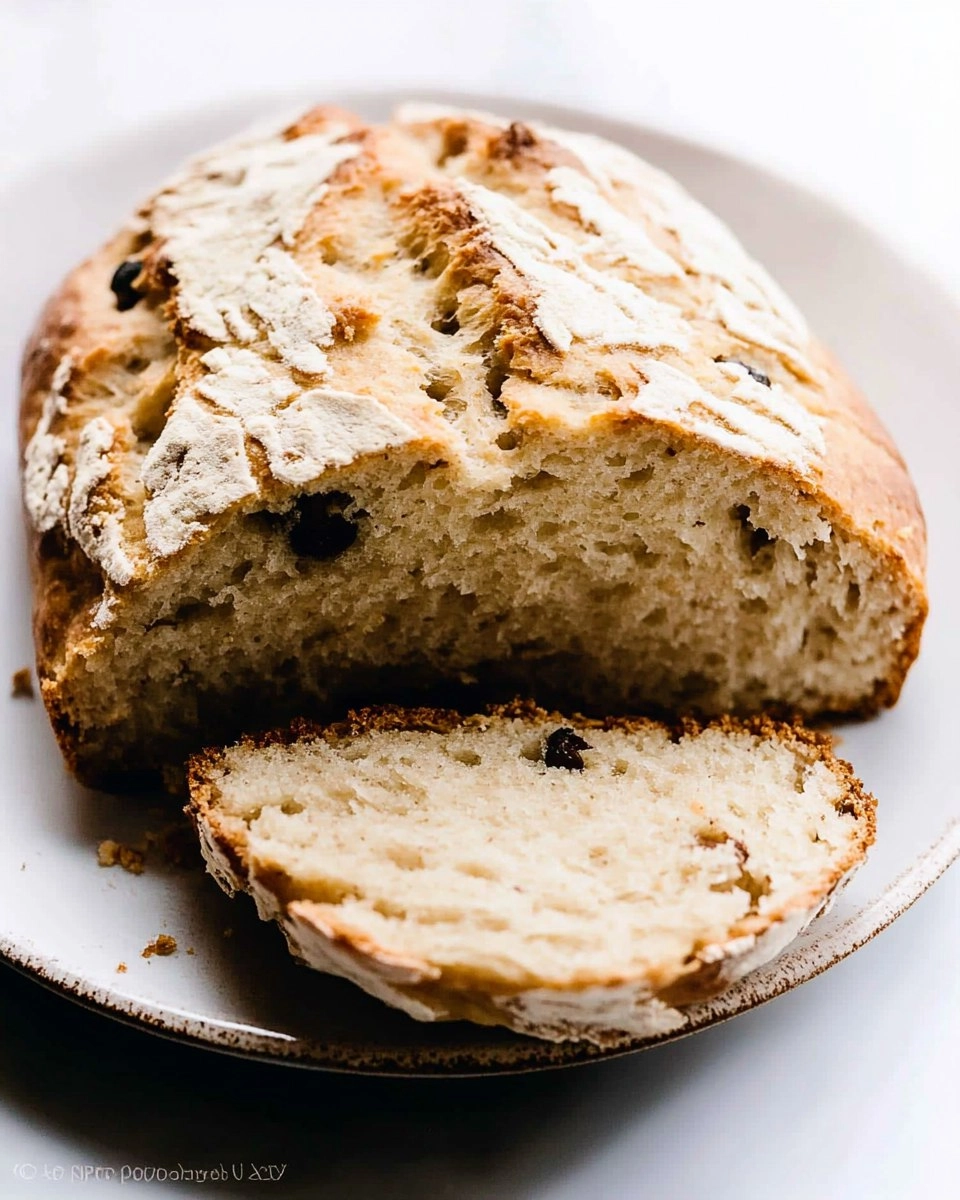
I can still recall the first time I pulled a loaf of homemade Irish soda bread from the oven—golden, crusty, and perfect for slathering with butter or enjoying with a bowl of hearty stew. This bread is not just a side; it’s a cozy companion that resonates with joy and warmth. It’s quick to prepare, making it a perfect choice for unexpected guests or leisurely family breakfasts. You can even add raisins for a touch of sweetness, making it a versatile treat. I can’t wait for you to try this charming loaf!
Why You’ll Love This Recipe
- Simple & Quick: You can have this easy bread ready in under an hour!
- Irresistible Flavor: The crisp crust and soft, tender crumb create a comforting taste that feels like a warm hug.
- Eye-Catching Appeal: This rustic loaf with its golden brown exterior is sure to impress at any gathering.
- Flexible Serving: Enjoy it fresh with butter, toasted for breakfast, or as a delightful side to soups and stews.
- Diet-Friendly Options: It can easily accommodate vegan needs by omitting the egg.
Ingredients You’ll Need
- 1 and 3/4 cups buttermilk: This is the star of the show, providing moisture and a slight tang. If you don’t have buttermilk, you can make your own by mixing 1 cup of milk with a tablespoon of vinegar or lemon juice and letting it sit for about 5 minutes.
- 1 large egg (optional): Adding an egg enhances richness and helps bind the bread, but it’s fine to skip it for a more traditional loaf.
- 4 and 1/4 cups all-purpose flour: Make sure to spoon and level your flour for accurate measurement. Whole wheat flour can be substituted for half of the all-purpose for a heartier texture.
- 3 tablespoons granulated sugar: This adds a touch of sweetness. Feel free to reduce the amount or use brown sugar for a different flavor profile.
- 1 teaspoon baking soda: An essential leavening agent that gives the bread its signature rise.
- 1 teaspoon salt: This balances the flavors and enhances the overall taste.
- 5 tablespoons unsalted butter, cold and cubed: The cold butter brings tenderness; be sure not to melt it.
- Optional: 1 cup raisins: These can add a sweet bite. You could also use currants or leave them out entirely for a classic loaf.
How to Make Irish Soda Bread | Easy St Patrick’s Day Bread Recipe
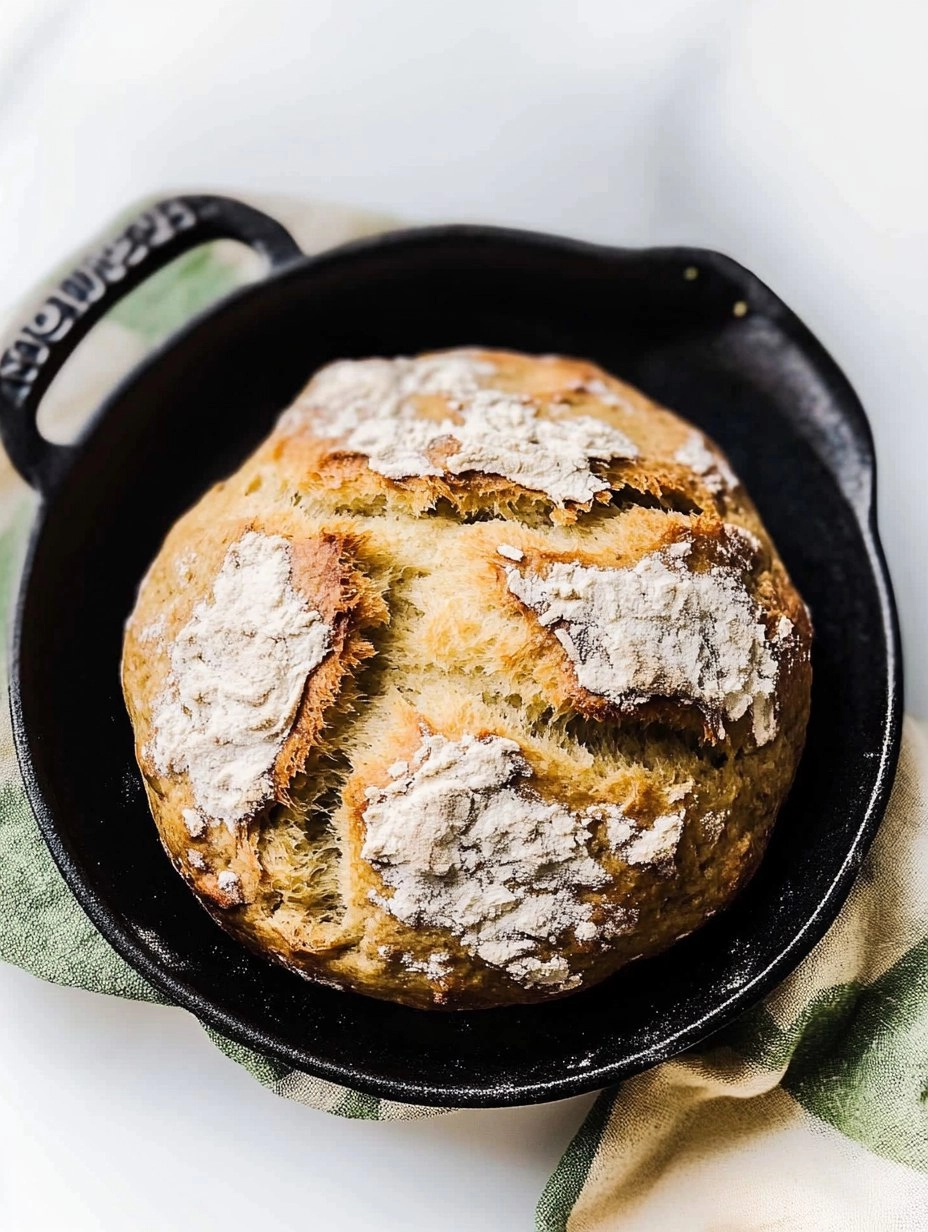
Preheat the oven: Start by preheating your oven to 400°F (204°C). You have choices for your baking pan! Use a parchment-lined baking sheet, or for a heartier crust, a seasoned cast iron skillet or a greased cake pan.
Mix the wet ingredients: In a bowl, whisk together 1 and 3/4 cups buttermilk and 1 large egg, if using. Set this mixture aside for now while you prepare the dry ingredients.
Combine the dry ingredients: In a large mixing bowl, whisk together 4 and 1/4 cups all-purpose flour, 3 tablespoons granulated sugar, 1 teaspoon baking soda, and 1 teaspoon salt. This step is crucial for ensuring that your baking soda and salt are evenly distributed throughout the flour.
Cut in the butter: Next, add 5 tablespoons of cold, cubed unsalted butter into the flour mixture. You can use a pastry cutter, fork, or just your hands to work the butter into the flour until it resembles coarse crumbs, about the size of peas. This will help create that tender texture we all love!
Add raisins and wet mixture: If you’re using raisins, stir in 1 cup into the flour mixture. Then, pour the buttermilk-egg mixture into the bowl. With a spatula or wooden spoon, gently fold the mixture together until it forms a rough ball of dough—this should be done lightly to avoid overworking the gluten.
Knead the dough: Transfer the crumbly dough onto a lightly floured surface. With floured hands, gently form it into a ball. Knead briefly for about 30 seconds, just until all the flour is moistened. If the dough feels too sticky, sprinkle on a bit more flour.
Score the dough: Place your shaped dough onto the prepared skillet or baking pan. Using a sharp knife, make a deep X or slash across the top of the dough, about 1/2 inch deep. This will allow the heat to penetrate and help the bread rise evenly while baking.
Bake the bread: Place your bread in the oven and bake it for about 45-55 minutes. You’ll know it’s ready when it turns golden brown, and a toothpick inserted in the center comes out clean. If the top is browning too much, loosely cover it with aluminum foil during baking.
Cool the bread: Once baked, remove the bread from the oven and let it cool on a wire rack for about 10 minutes. This helps maintain the crust while cooling. You can serve it warm, at room temperature, or toasted with butter.
Storing & Reheating
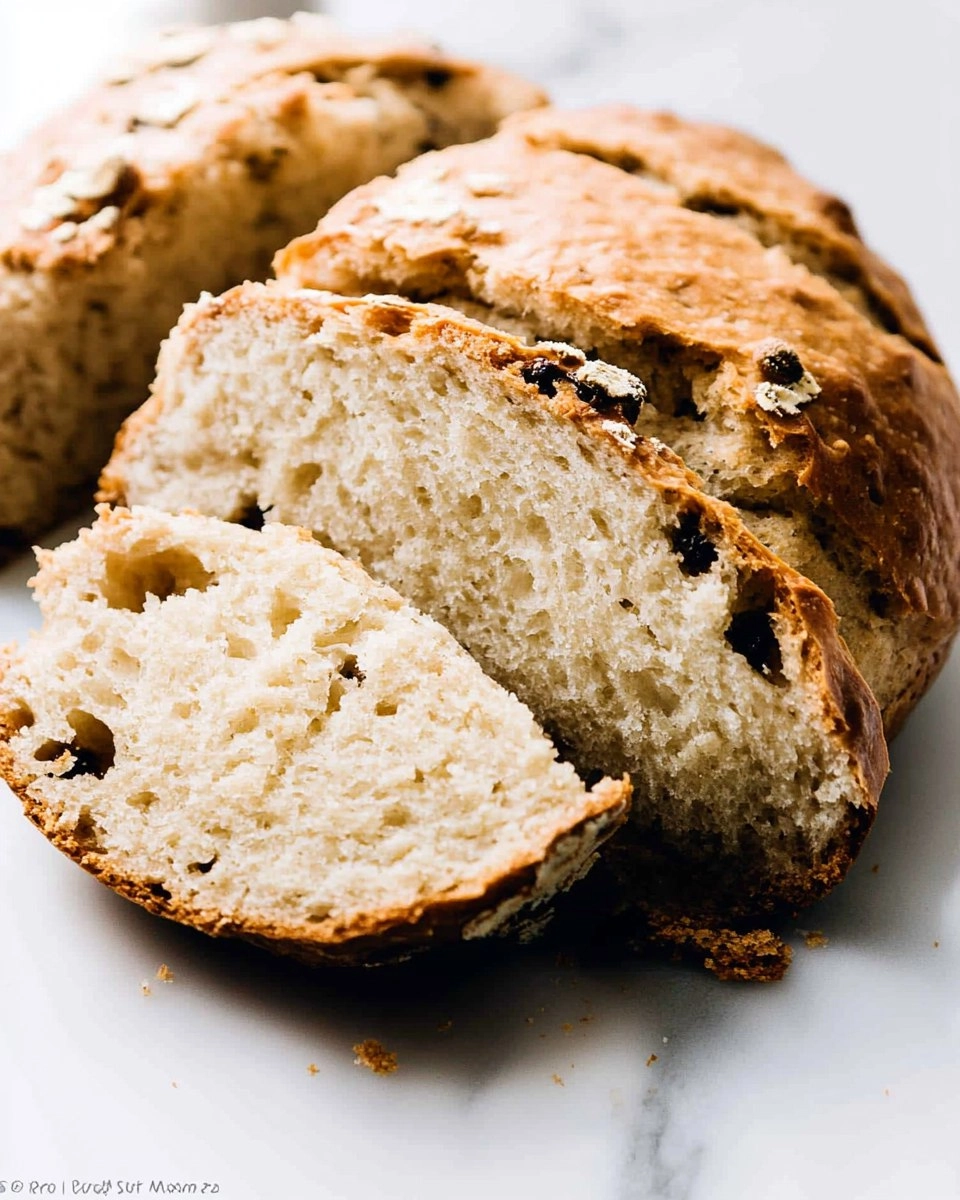
For best storage, wrap your leftover bread tightly in aluminum foil and keep it at room temperature for up to 2 days. If you want it to last longer, you can refrigerate it for up to a week in an airtight container. Alternatively, to freeze, wrap it tightly and store in a freezer-safe bag for up to 3 months. When you’re ready to enjoy again, simply reheat it in an oven at 350°F (175°C) for about 10-15 minutes or until warmed through. Note that its soft texture may change slightly, but you can revive that delightful crust in the oven.
Chef’s Helpful Tips
- Be gentle with the dough; over-kneading can make your bread tough.
- Make sure your butter is cold for the best texture; it should not be melted.
- For added flavor, try incorporating herbs like rosemary or thyme into the dough.
- If the bread is too sticky, work in a little extra flour gradually.
- Allow the bread to cool completely before wrapping or storing to avoid moisture buildup.
No matter how you slice it, this Irish soda bread recipe brings the warmth of home baking to your kitchen. With its simple preparation and delightful texture, you’ll find yourself making it over and over again. It’s an excellent way to celebrate St. Patrick’s Day or enjoy cozy family moments any time of year. Consider trying variations with different add-ins or toppings—there’s no wrong way to enjoy this classic! Treat yourself to a slice, and enjoy the fruits of your labor.
Recipe FAQs
Can I use all-purpose flour instead of whole wheat?
Absolutely! In fact, this recipe uses all-purpose flour as the primary ingredient. You can experiment by replacing up to half with whole wheat flour for a heartier bread.
Is it necessary to add sugar?
While sugar gives the bread a slight sweetness, you can certainly omit it if you prefer a more traditional, savory version.
Can I make this bread without buttermilk?
You can make a buttermilk substitute by mixing 1 cup of milk with 1 tablespoon of vinegar or lemon juice. Let this mixture sit for about 5 minutes, and it’s ready to use!
How do I know if the bread is baked properly?
The bread should be golden brown with a firm crust. It’s fully baked when an instant-read thermometer inserted into the center reads 195°F (90°C), or when a toothpick comes out clean.
PrintMore Dinner Recipes
- Classic Spaghetti Bolognese (Family Favorite)
- Crockpot White Chicken Chili
- Champagne Risotto with Brown Butter Scallops
- Ground Beef Stroganoff
- Marry Me Chicken Soup
Did You Enjoy Making This Recipe? Please rate this recipe with ⭐⭐⭐⭐⭐ or leave a comment.
📖 Recipe Card
Irish Soda Bread | Easy St Patrick’s Day Bread Recipe
- Prep Time: 10 minutes
- Cook Time: 55 minutes
- Total Time: 1 hour 5 minutes
- Yield: 1 loaf 1x
- Category: Breads
- Method: Baking
- Cuisine: Irish
Description
This Irish Soda Bread is a delightful blend of buttermilk and butter, creating a tender loaf that is crispy on the outside and soft on the inside. With the option for raisins, it’s perfect as a comforting meal or a quick snack. Easy to make and delicious, it’s a must-try for anyone looking for simpler homemade recipes.
Ingredients
- 1 and 3/4 cups (420ml) buttermilk*
- 1 large egg (optional, see note)
- 4 and 1/4 cups (531g) all-purpose flour (spooned & leveled), plus more for your hands and counter
- 3 tablespoons (38g) granulated sugar
- 1 teaspoon baking soda
- 1 teaspoon salt
- 5 tablespoons (71g) unsalted butter, cold and cubed*
- optional: 1 cup (150g) raisins
Instructions
- Preheat your oven to 400°F (204°C). Choose your baking pan: a lined baking sheet, a seasoned cast iron skillet, or a greased cake pan. If using a dutch oven, keep the lid off while baking.
- In a bowl, whisk together the buttermilk and egg. In a larger bowl, mix the flour, sugar, baking soda, and salt. Cut in the cold butter until pea-sized crumbs form. Stir in the raisins, then add the buttermilk mixture and fold until the dough is too stiff to stir.
- Transfer the dough onto a floured surface and knead gently to combine.
- Shape the dough into a ball and place it in your prepared pan. Score the top with a sharp knife, making a deep slash or an X.
- Bake for 45-55 minutes until golden brown and a thermometer reads 195°F (90°C) at the center.
- Let the bread cool for 10 minutes before moving it to a wire rack. Serve warm, at room temperature, or toasted.
Notes
To prevent over-browning, cover the loaf with aluminum foil midway through baking if necessary.
Leftover bread can be stored at room temperature for two days or in the fridge for up to a week, wrapped tightly.
For added flavor, consider adding seeds or herbs to the dough.
Nutrition
- Serving Size: 1 slice
- Calories: 180
- Sugar: 4g
- Sodium: 200mg
- Fat: 6g
- Saturated Fat: 4g
- Unsaturated Fat: 2g
- Trans Fat: 0g
- Carbohydrates: 27g
- Fiber: 1g
- Protein: 4g
- Cholesterol: 20mg