Gochujang Pasta

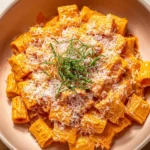
A cozy bowl of fiery, velvety Gochujang Pasta awaits you, bringing a unique and delicious twist to traditional Italian pasta dishes. Imagine sliding your fork into creamy rigatoni enveloped in a rich sauce featuring the captivating heat of gochujang. The aroma fills your kitchen, wrapping you in a warm embrace that instantly sparks excitement. The rich, buttery sauce blends beautifully with perfectly cooked pasta, creating a delightful visual treat that is just as appealing as it is tasty.
Table of Contents
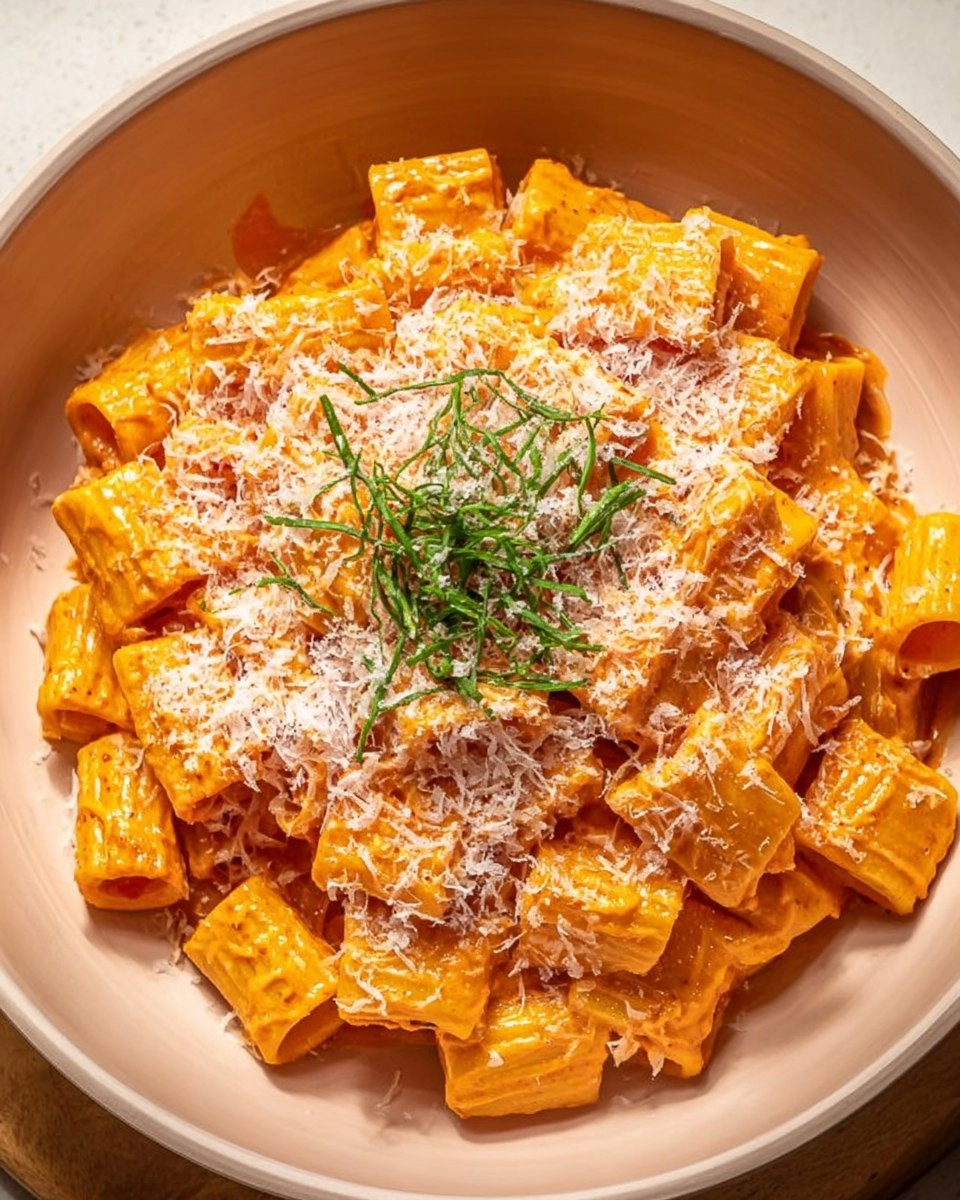
I remember the first time I made this dish for a cozy dinner with friends; it was a chilly evening, and everyone was exuberantly chatting as I stirred up this vibrant pasta. With each bite, we chuckled at the little zing from the gochujang, which took our taste buds on an unexpected journey. It perfectly demonstrated that sometimes the best recipes are born from combining different culinary traditions. This Gochujang Pasta Recipe | Creamy and Ready in 20 Minutes is perfect for any occasion—quick weeknight dinners or relaxed weekend gatherings. Don’t hesitate to whip it up; your taste buds will surely thank you!
Why You’ll Love This Recipe
- Simple & Quick: This dish comes together in just 20 minutes, making it perfect for busy evenings.
- Irresistible Flavor: The combination of buttery cream and spicy gochujang creates a taste sensation you’ll crave repeatedly.
- Eye-Catching Appeal: The vibrant red sauce contrasts beautifully with the pasta, making it as fun to look at as it is to eat.
- Flexible Serving: Enjoy it as a main dish or a side; it fits any occasion, from casual dinners to festive gatherings.
- Diet-Friendly Options: Want a gluten-free or dairy-free alternative? Easily swap the pasta and cream for suitable substitutes.
Ingredients You’ll Need
12 oz dried rigatoni pasta: This shape holds onto sauce beautifully. You can use any short or long pasta, like penne or spaghetti, if preferred.
9 cloves garlic, finely minced: Garlic brings a fragrant warmth to the dish; feel free to adjust the amount according to your taste.
1 large shallot, small diced: Shallots add a subtle sweetness and complexity. If you can’t find shallots, yellow onion works as a suitable substitution.
4 ½ tablespoons unsalted butter: Adds richness and creaminess to the sauce. Stick with unsalted to control overall salt levels.
3 tablespoons gochujang: This Korean chili paste offers heat and depth. Adjust according to your desired spice level, starting with less if you prefer milder flavors.
1 ¾ cups heavy cream: Full-fat cream ensures the sauce remains silky and luxurious. If you want a lighter version, half-and-half is an option, but it may impact texture.
1 ½ tablespoons oyster sauce: Infuses the sauce with savory umami flavors. Vegetarian oyster sauce is available if you’re avoiding seafood.
½ cup parmesan cheese, freshly grated: Freshly grating enhances melting and flavor compared to pre-grated. You can substitute with nutritional yeast for a dairy-free option.
¾ cup reserved pasta water: This starchy water is perfect for loosening the sauce and helping it cling nicely to the noodles.
Parmesan cheese, extra for garnish: A sprinkle of freshly grated parmesan adds that final touch of richness.
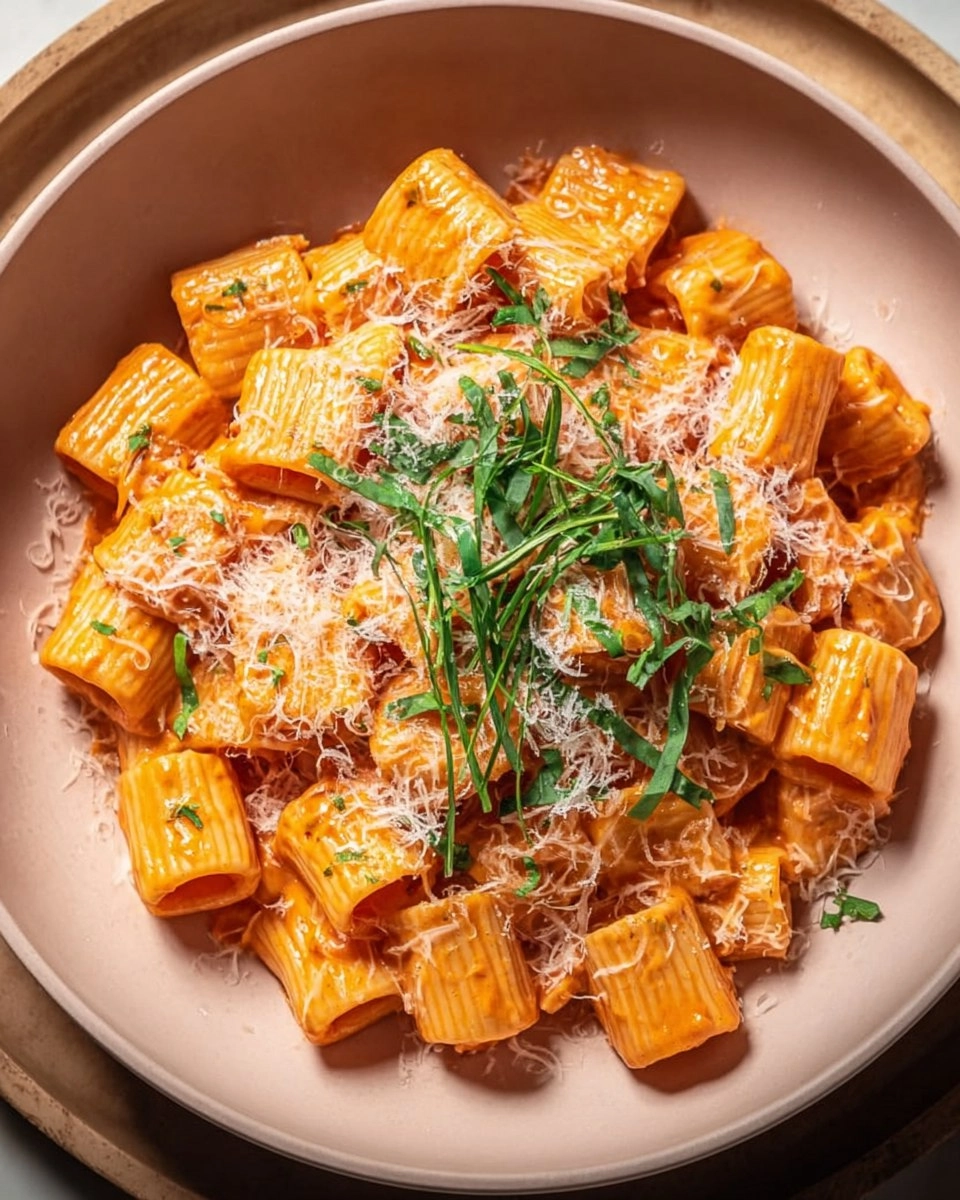
Chives, finely chopped: Adds a pop of color and a fresh finish, enhancing the presentation.
How to Make Gochujang Pasta Recipe | Creamy and Ready in 20 Minutes
Boil and Prepare: Begin by bringing a large pot of well-salted water to a rolling boil. Once boiling, cook the rigatoni pasta according to package instructions until just tender, typically around 10-12 minutes. Before draining, remember to save about three-quarters of a cup of that starchy pasta water, which will help to create a silky sauce later on.
Melt and Sauté: In a wide skillet over medium-low heat, melt the butter slowly, allowing it to foam and bubble slightly. Once melted, add the diced shallot and finely minced garlic. Stir continuously until the shallot is translucent and the garlic is fragrant and slightly golden, which should take about 3-5 minutes. This gentle cooking technique brings out the best flavors without burning the garlic.
Mix in Gochujang: Spoon in the gochujang, stirring it through the buttery mixture. Allow the gochujang to cook gently for a minute; this will soften the spice, giving depth to the flavor. As it sizzles, you’ll notice the color deepening and the aroma becoming even more enticing.
Add Cream and Oyster Sauce: Pour in the heavy cream and oyster sauce, using a spatula to stir until the mixture is smooth and creamy. Let the sauce simmer on low for about 3-4 minutes, allowing it to thicken slightly and become glossy. You’ll know it’s ready when you can see the sauce clinging nicely to the back of a spoon.
Toss Pasta and Cheese: Gently add the drained rigatoni to the skillet, then sprinkle in the grated parmesan cheese. Pour a splash of the reserved pasta water into the skillet as well. Toss everything together until the noodles are completely coated in the rich sauce. If the pasta seems a bit dry, add more reserved pasta water as needed to achieve a luscious, creamy consistency.
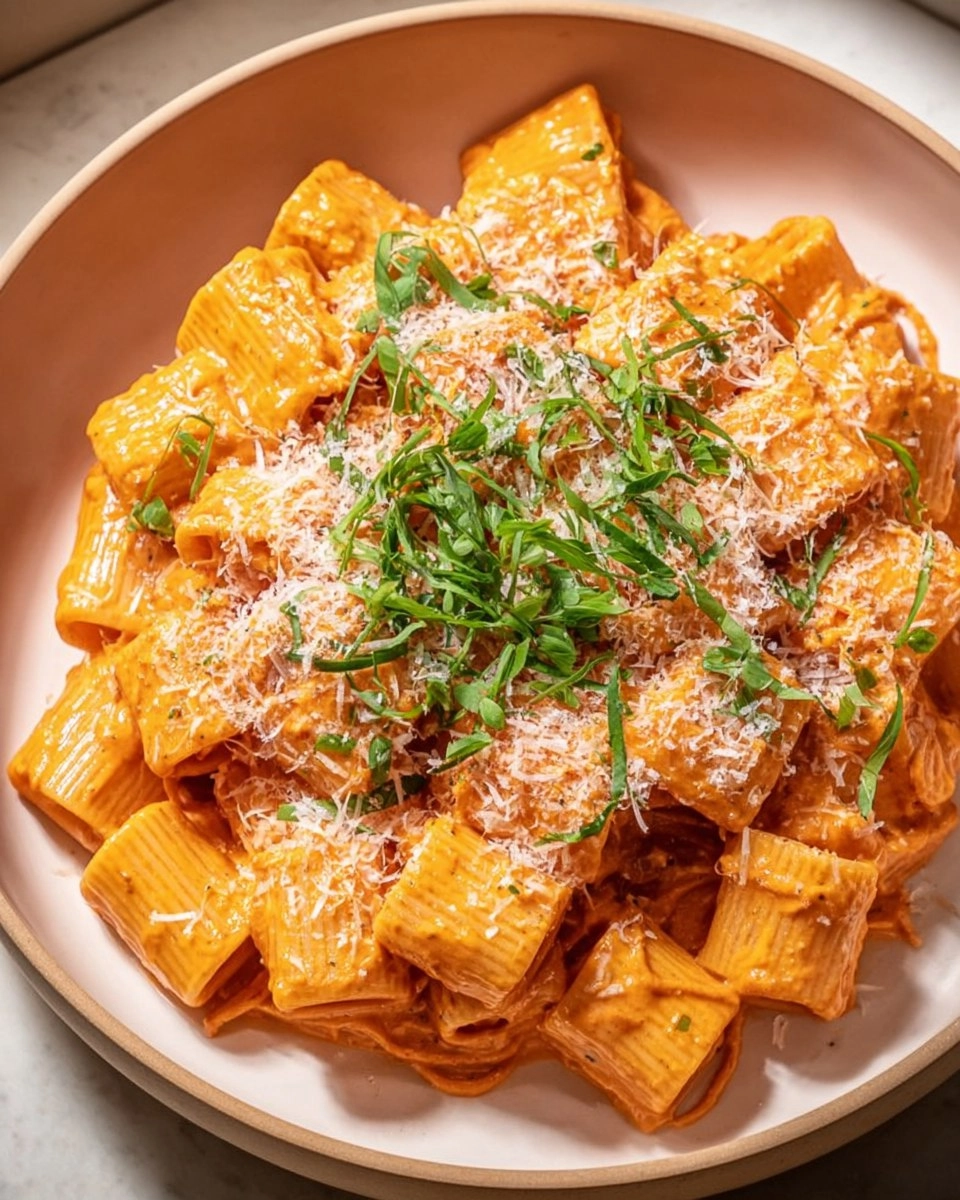
Final Touches: Cook everything together for another minute or two, stirring to mix all the goodness evenly. When finished, remove from heat and immediately garnish with finely chopped chives and a generous sprinkle of extra parmesan cheese. Serve it hot; the inviting colors and aromas will captivate everyone at the table!
Storing & Reheating
To store any leftover Gochujang Pasta, place it in an airtight container and keep it in the refrigerator for up to three days. You can also freeze the dish for up to three months—just make sure it’s well-packed for maximum freshness. When it’s time to enjoy again, simply reheat in the microwave for about 2-3 minutes at medium power, refreshing it with a splash of cream or reserved pasta water to restore that creamy texture.
Chef’s Helpful Tips
- Ensure your garlic doesn’t brown too much while sautéing; burned garlic can taste bitter and affect the overall flavor.
- If you find the sauce is too thick, keep your reserved pasta water nearby. A little at a time brings it back to the desired consistency without losing the flavors.
- Don’t skip the fresh herbs! A little chive on top can brighten the dish.
- For an extra-bold flavor, try toasting the gochujang slightly in the butter before adding the cream.
- Feel free to experiment: add vegetables, such as spinach or broccoli, for some extra color and nutrition.
The Gochujang Pasta Recipe | Creamy and Ready in 20 Minutes combines warmth and comfort with a hint of daring spice. With its easy preparation, rich flavors, and customizable nature, it’s a fantastic way to celebrate culinary fusion. You may want to play around with ingredient variations, or perhaps try it with different types of pasta to find your perfect match. Gather your ingredients and prepare for a delightful cooking experience—your taste buds will surely rejoice as you savor each creamy bite! Enjoy!
Recipe FAQs
Can I make this pasta dish in advance?
Absolutely! You can prepare the sauce ahead of time and refrigerate it. When ready to serve, cook the pasta and toss it with the pre-made sauce on the stovetop. This method saves time and helps the flavors meld beautifully.
Is Gochujang Pasta spicy?
The spice intensity can vary quite a bit based on the amount of gochujang you use. If you prefer a milder taste, start with 1-2 tablespoons and adjust to your desired heat level. You can always add more, but it’s tough to take it away!
What can I substitute for heavy cream?
If you’re looking for a lighter alternative, you can use half-and-half or even coconut cream for a dairy-free option. Do keep in mind that the flavor and texture may change slightly, but it will still be delicious!
Can I add protein to this dish?
Sure! Grilled chicken, shrimp, or even tofu would be fabulous additions. Cook the protein separately and then toss it with the pasta for a filling meal that’s protein-packed.
PrintMore Dinner Recipes
- Crustless Quiche
- Best Chicken Fried Rice
- Pretzels with Cinnamon Sugar
- Chicken Cheddar Noodle Bake
- Chicken Parmesan Meatballs
Did You Enjoy Making This Recipe? Please rate this recipe with ⭐⭐⭐⭐⭐ or leave a comment.
📖 Recipe Card
Gochujang Pasta
- Prep Time: 5 minutes
- Cook Time: 15 minutes
- Total Time: 20 minutes
- Yield: 4 servings 1x
- Category: Pasta
- Method: Stovetop
- Cuisine: Fusion
Description
Experience the unique flavors of Gochujang Pasta! This creamy dish combines the heat of gochujang with rich butter and cream for a satisfying dinner that’s quick, easy, and perfect for sharing with friends or family.
Ingredients
- 12 oz dried rigatoni pasta
- 9 cloves garlic, finely minced
- 1 large shallot, small diced
- 4 ½ tablespoons unsalted butter
- 3 tablespoons gochujang
- 1 ¾ cups heavy cream
- 1 ½ tablespoons oyster sauce
- ½ cup parmesan cheese, freshly grated
- ¾ cup reserved pasta water
- Parmesan cheese, extra for garnish
- Chives, finely chopped
Instructions
- Boil the rigatoni pasta in well-salted water until tender, approximately 10-12 minutes, reserving some pasta water before draining.
- Melt the butter in a skillet over medium-low heat and sauté the shallot and garlic until translucent and fragrant.
- Stir in the gochujang and let it cook briefly to enhance the flavor.
- Add the heavy cream and oyster sauce, stirring until smooth and simmering for a few minutes.
- Mix in the drained rigatoni and parmesan cheese, adding reserved pasta water as needed to reach desired consistency.
- Cook everything together briefly before garnishing with chives and extra parmesan, then serve hot.
Notes
Substitute the rigatoni with any preferred pasta shape if desired.
Adjust the amount of gochujang based on your spice preference, starting with less for a milder flavor.
For a vegetarian option, use vegetarian oyster sauce.
Nutrition
- Serving Size: 1 serving
- Calories: 630
- Sugar: 2g
- Sodium: 750mg
- Fat: 39g
- Saturated Fat: 23g
- Unsaturated Fat: 7g
- Trans Fat: 0g
- Carbohydrates: 57g
- Fiber: 3g
- Protein: 15g
- Cholesterol: 116mg